Pennsylvania has long been a cornerstone of the United States energy sector. From hydroelectric facilities along the Susquehanna and Allegheny river systems to energy plants supported by cooling ponds, stormwater basins, and process water reservoirs, the state’s infrastructure depends heavily on reliable water resources. As energy demand continues to rise and facilities operate beyond their original design life, the performance of reservoirs and ponds becomes increasingly critical.
Water resource optimization is no longer a secondary maintenance concern. It directly affects energy production efficiency, equipment reliability, environmental compliance, and long-term asset value. One of the most effective ways to protect and optimize these assets is through well-planned dredging programs. Proven dredging solutions Pennsylvania energy operators rely on address sediment accumulation before it limits capacity or disrupts operations.
Both hydro reservoir dredging and pond dredging for energy projects play central roles in maintaining functional water systems. These practices help restore design conditions, support thermal stability, and ensure consistent flow. When executed by experienced professionals with local knowledge, dredging becomes a strategic tool rather than a reactive expense. This is where Dredge Pennsylvania has established itself as a dependable partner for energy-focused dredging across the state.
Understanding Sediment Accumulation and Its Impacts
Sediment accumulation is inevitable in managed water bodies, but its rate and impact vary significantly by location, watershed characteristics, and human activity. In Pennsylvania, reservoirs and ponds receive sediment from upstream erosion, stormwater runoff, and land use changes. The state’s geology, including shale formations and historic mining regions, contributes fine and abrasive materials that settle quickly in low-velocity water bodies.
Natural sedimentation occurs when rivers slow as they enter reservoirs, allowing suspended particles to settle. Seasonal flow changes and storm-driven runoff accelerate this process. Human-induced sedimentation adds another layer of complexity. Agricultural runoff, urban development, road construction, and legacy coal mining all increase sediment loads. In watersheds near the Monongahela or Schuylkill rivers, these influences are especially pronounced during heavy rainfall events.
Pennsylvania’s regulatory environment requires energy operators to manage sediment responsibly. Oversight from the Pennsylvania Department of Environmental Protection and federal agencies ensures that dredging activities protect downstream water quality and aquatic habitats.
Unchecked sediment buildup has several measurable impacts:
- Water storage capacity: Sediment displaces usable volume, reducing operational flexibility during peak demand or drought conditions.
- Turbine efficiency in hydro projects: Accumulated material alters intake hydraulics and increases wear on turbine components.
- Thermal performance and stability: Shallow ponds heat more quickly, reducing cooling efficiency and increasing operational risk.
- Aquatic habitat and water quality: Elevated turbidity and nutrient levels degrade ecological conditions and complicate compliance.
Addressing these challenges early with dredging solutions Pennsylvania energy operators trust helps prevent cascading operational and regulatory issues.

Overview of Dredging Solutions in Pennsylvania
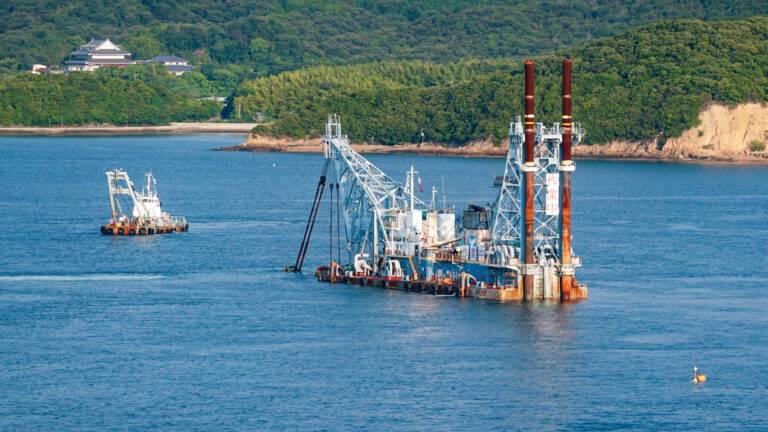
Dredging is the controlled removal of accumulated sediment to restore water bodies to their intended depth and capacity. For energy assets, dredging is best viewed as part of an ongoing asset management strategy rather than an emergency response.
The range of dredging solutions Pennsylvania projects require is shaped by the state’s diverse terrain, variable climate, and strict permitting requirements. Facilities in mountainous regions face different challenges than those in flatter eastern watersheds. Freeze-thaw cycles, fluctuating water levels, and sensitive downstream uses all influence project planning.
Several dredging approaches are commonly applied:
- Mechanical dredging: Excavators or clamshells remove sediment directly and are effective in shallow or confined areas.
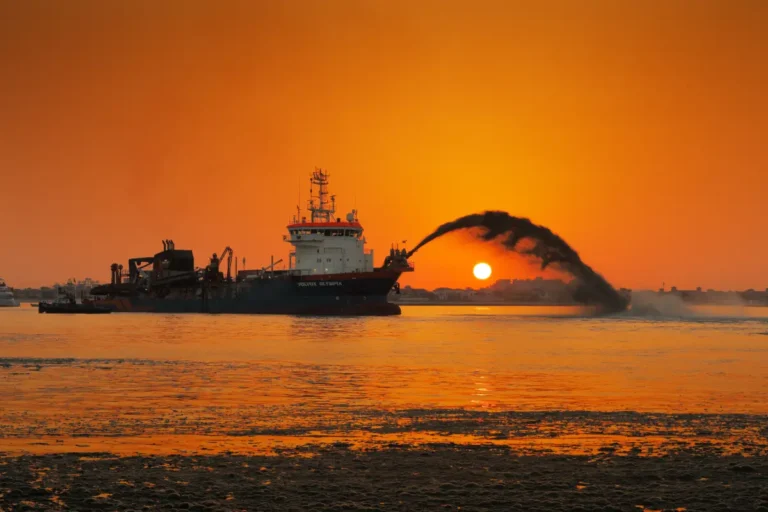
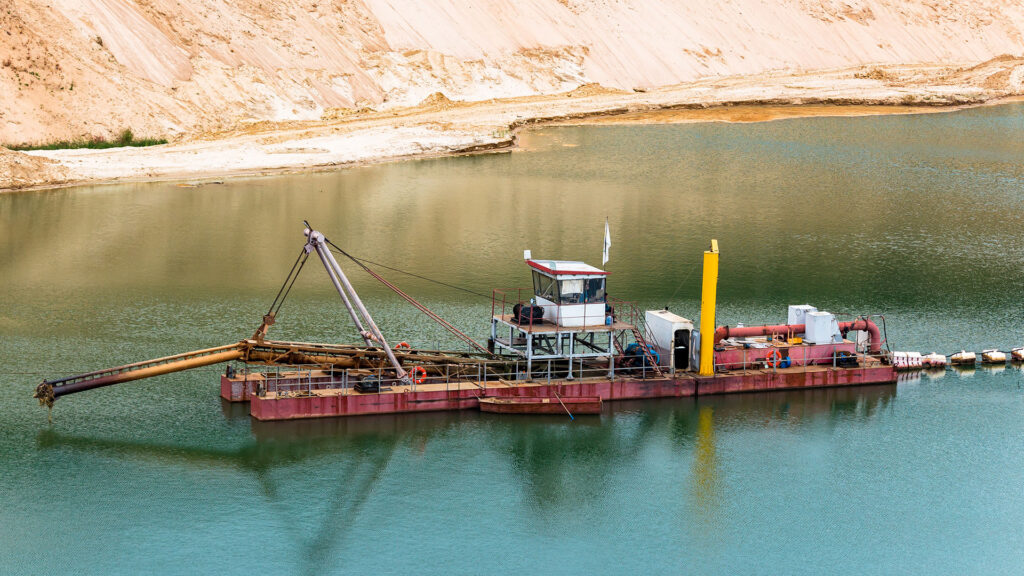
- Hydraulic dredging: Pumps transport sediment-water slurry through pipelines, allowing continuous operation and minimal disruption.
- Suction dredging: Suitable for maintenance dredging and finer materials.
- Cutterhead dredging: Combines mechanical cutting with hydraulic transport to remove compacted sediments.
Each method has advantages depending on sediment type, access, and environmental constraints. Experienced providers of dredging solutions Pennsylvania facilities depend on understand how to select and integrate these approaches efficiently.
Hydro Reservoir Dredging: Enhancing Energy Productivity
Hydroelectric reservoirs are engineered to precise specifications that support consistent generation. Sediment accumulation undermines those specifications over time. Reduced storage volume limits head pressure, while altered flow paths affect turbine performance.
Hydro reservoir dredging focuses on removing sediment to restore original design conditions. This process is particularly important for older facilities along Pennsylvania rivers, many of which were constructed decades ago.
Key benefits include:
- Restoring design storage capacity: Increased usable volume improves operational flexibility.
- Improving flow and turbine performance: Clean intakes and channels reduce turbulence and wear.
- Reducing maintenance downtime: Lower sediment loads decrease unexpected outages.
- Enhancing long-term reliability and sustainability: Stable operating conditions extend equipment life.
Consider a hypothetical hydro facility in central Pennsylvania that experienced a 20 percent reduction in effective storage. After hydro reservoir dredging, the facility regained capacity, improved turbine efficiency, and reduced annual maintenance downtime. These outcomes demonstrate why hydro reservoir dredging remains essential for maximizing energy productivity.
Pond Dredging for Energy Projects: Why It Matters
Ponds are critical components of many energy facilities. Cooling ponds regulate temperature, stormwater basins manage runoff, and process ponds support industrial operations. Sediment accumulation compromises each function.
Pond dredging for energy projects ensures that these systems continue to perform as designed. In Pennsylvania’s variable climate, maintaining adequate depth and circulation is essential for compliance and efficiency.
Pond dredging supports energy infrastructure by:
- Maintaining fuel cooling systems: Adequate depth improves heat dissipation.
- Supporting stormwater and runoff management: Restored capacity reduces overflow risk during heavy storms.
- Enhancing thermal exchange and circulation: Stable volumes help manage temperature fluctuations.
- Ensuring regulatory compliance: Improved water quality supports discharge permit requirements.
Typical issues addressed through pond dredging for energy projects include reduced retention time, elevated temperatures, and increased nutrient concentrations. Proactive dredging minimizes these risks and supports uninterrupted operations.
Technical Approaches and Best Practices
Effective dredging begins with thorough assessment and planning. Bathymetric surveys map sediment distribution, while sediment characterization determines grain size and contamination potential. These data guide method selection and material handling strategies.
Choosing the right dredging method for energy applications involves balancing efficiency, environmental protection, and operational continuity:
- Hydraulic dredging: Ideal for large volumes and continuous operations.
- Mechanical dredging: Effective for targeted removal in confined areas.
- Cutter suction dredging: Suitable for compacted sediments.
- Environmental containment strategies: Silt curtains and turbidity barriers protect surrounding waters.
Handling dredged material is equally important. Dewatering through geotextile tubes or settling basins reduces disposal costs and allows beneficial reuse where permitted.
Safety, environmental protection, and permitting are integral to project success. Experienced providers of dredging solutions Pennsylvania energy operators rely on integrating dredging into maintenance schedules to minimize disruption.
Environmental and Regulatory Considerations
Key permitting requirements in Pennsylvania (state and federal)
Dredging activities in Pennsylvania are governed by state and federal regulations that protect waterways, downstream users, and ecological systems. Projects typically require state-level water-obstruction and encroachment permits, as well as federal authorizations under the Clean Water Act for navigable waters. Energy-related dredging projects must also account for sediment handling, discharge methods, and site access constraints during the permitting process. Early coordination with regulatory agencies is critical to prevent delays and ensure alignment with project timelines.
Mitigating environmental impacts:
- Turbidity control
Managing turbidity is essential during dredging operations. Techniques such as silt curtains, phased dredging, and controlled removal rates help limit suspended sediments and protect downstream water quality.
- Sediment contamination testing
Sediment testing determines whether dredged material contains contaminants that require special handling or disposal. Proper characterization ensures compliance and protects surrounding water bodies.
- Habitat preservation
Dredging plans must account for aquatic habitats, fish spawning periods, and sensitive shoreline areas. Careful sequencing and mitigation measures reduce ecological disruption.
Communicating with stakeholders and regulators
Clear, consistent communication with regulators, facility operators, and local stakeholders builds trust and supports efficient approvals. Transparency reduces uncertainty during execution.
Environmental monitoring before, during, and after dredging
Baseline surveys, real-time monitoring, and post-project assessments document compliance and performance. This oversight is especially important for hydro reservoir dredging and pond dredging for energy projects, where regulatory accountability and long-term water quality are critical.
Economic Benefits of Dredging for Energy Projects
Cost vs. long-term value of proactive dredging
From an economic standpoint, dredging should be evaluated as a long-term asset protection strategy rather than a short-term expense. While dredging projects require upfront capital, costs are predictable and controllable when scheduled proactively. In contrast, deferred sediment management often leads to reactive repairs, emergency shutdowns, and regulatory risks that carry significantly higher financial consequences. Planned dredging allows energy operators to budget accurately and avoid costly surprises.
How improved water capacity and quality translate to operational efficiencies
Restored water depth and improved water quality directly enhance system performance. Increased storage capacity improves operational flexibility, while cleaner water reduces fouling, abrasion, and inefficiencies in turbines, pumps, and heat exchange systems. These improvements result in higher output consistency and more efficient energy generation.
Reducing unplanned maintenance, equipment strain, and downtime
Sediment buildup accelerates wear on mechanical components and increases failure rates. Dredging reduces this strain, lowering unscheduled maintenance frequency and extending service intervals. Reduced downtime translates into measurable gains in availability and revenue stability.
Case study/sample ROI illustration
In a typical scenario, the cost of routine dredging is offset within a few operating cycles through avoided outages, reduced maintenance labor, and extended equipment life. Facilities that implement dredging solutions in Pennsylvania often report stronger return on investment and improved long-term financial performance.
Choosing the Right Dredging Partner in Pennsylvania
Selecting a dredging partner requires careful evaluation. Energy producers should prioritize local regulatory knowledge, specialized equipment, environmental compliance history, and end-to-end project management capabilities.
Dredge Pennsylvania is uniquely qualified to deliver dredging solutions Pennsylvania tailored to energy infrastructure in Pennsylvania. With a deep understanding of regional waterways, permitting requirements, and technical challenges, the company provides reliable support from planning through execution.
A practical vetting checklist includes experience with energy assets, safety performance, environmental controls, and post-project monitoring.
Future Trends: Dredging and Energy Infrastructure Resilience
Emerging technologies in dredging
Dredging technology is evolving toward higher precision, lower environmental impact, and improved efficiency. Advances in cutterhead design, pump efficiency, and sediment transport systems allow contractors to remove material more accurately while minimizing disturbance to surrounding water bodies. Modular dredging systems and automation are also enabling faster mobilization and greater adaptability to site-specific conditions common across Pennsylvania’s diverse energy infrastructure.
Integration with digital monitoring and predictive maintenance
Digital monitoring is becoming a central component of modern dredging and water asset management. Bathymetric data, sediment sensors, and real-time turbidity monitoring provide actionable insights before sediment reaches critical levels. When integrated with predictive maintenance platforms, these tools enable operators to schedule hydro and pond dredging for energy projects based on performance trends rather than reactive failures. This data-driven approach improves planning accuracy and reduces operational uncertainty.
Climate adaptation, increased energy demand, and water resource management
Pennsylvania is experiencing more frequent extreme weather events, including heavy rainfall and rapid runoff, which accelerate sedimentation. At the same time, growing energy demand places additional strain on reservoirs and cooling systems. Effective water resource management now requires adaptive strategies that account for changing hydrology, higher sediment loads, and tighter regulatory oversight.
How hydro reservoir dredging and pond dredging for energy projects will support Pennsylvania’s energy future
Looking ahead, hydro and pond dredging for energy projects will be essential to maintaining capacity, protecting equipment, and ensuring compliance. Combined with digital tools and proactive planning, dredging will support resilient, efficient, and sustainable energy operations across Pennsylvania for decades to come.
Conclusion
Dredging is a strategic component of optimizing hydro reservoirs and ponds that support Pennsylvania’s energy projects. By restoring capacity, improving efficiency, and ensuring compliance, dredging delivers lasting operational benefits.
Energy producers seeking dependable outcomes benefit from working with experienced providers of dredging solutions Pennsylvania. With technical expertise, local insight, and a commitment to environmental responsibility, Dredge Pennsylvania stands as a reliable partner for maintaining resilient and productive energy infrastructure across the state.