Dredging plays a vital role in maintaining the health, safety, and usability of Pennsylvania’s waterways. From municipal lakes and river channels to industrial basins and private properties, sediment buildup affects water depth, flow efficiency, and infrastructure longevity. In a state with diverse terrain and a true four-season climate, Pennsylvania dredging projects require more than equipment and workforce. They require timing that aligns with environmental conditions, regulatory requirements, and long-term system performance.
This is where seasonal dredging becomes critical. Planning when to dredge is just as important as deciding how to dredge. Weather patterns, water levels, biological activity, and permitting windows all shift throughout the year, influencing both cost and outcomes. Effective dredging schedule planning ensures projects move forward without unnecessary delays, mechanical strain, or environmental conflict.
With decades of experience working across rivers, lakes, marinas, and industrial waterways, Dredge Pennsylvania has built a reputation as the most trusted dredging partner in the state. Their knowledge of local conditions allows projects to be executed at the right time, for the right reasons, and with long-term performance in mind.
The Importance of Proper Timing in Pennsylvania Dredging
- What Seasonal Dredging Really Means
Seasonal dredging is not simply about avoiding cold weather. It reflects how natural cycles influence sediment behavior, water movement, and ecosystem sensitivity. Soil composition changes with moisture levels. Water temperature affects material density. Aquatic vegetation and wildlife activity fluctuate throughout the year.
From a pump sealing perspective, seasonal conditions matter because abrasive content, flow consistency, and operating temperatures directly affect wear rates. Poor timing increases strain on pumps, seals, and pipelines, shortening service life and raising maintenance costs. Pennsylvania dredging projects that align with seasonal conditions operate more efficiently and predictably.
- Key Benefits of Planning Around Seasons
Planning around seasons delivers measurable advantages. Costs are reduced when equipment operates within optimal ranges. Project timelines become more reliable. Environmental disturbance is minimized, which helps avoid regulatory complications.
Thoughtful dredging schedule planning also protects mechanical systems. Pumps handling sediment during stable conditions experience fewer pressure spikes and less seal degradation. Over time, this translates into lower downtime and better return on investment.
- Why Pennsylvania’s Climate Makes Timing Critical
Pennsylvania experiences hot summers, freezing winters, heavy spring runoff, and variable fall weather. Each season introduces different operational challenges. Snowmelt significantly increases river flow in systems like the Susquehanna and Delaware, altering sediment transport and access conditions.
For Pennsylvania dredging, timing is not optional. It is a determining factor in whether a project runs smoothly or struggles against nature.
Overview of Pennsylvania’s Seasons and Dredging Considerations
- Winter (December to February)
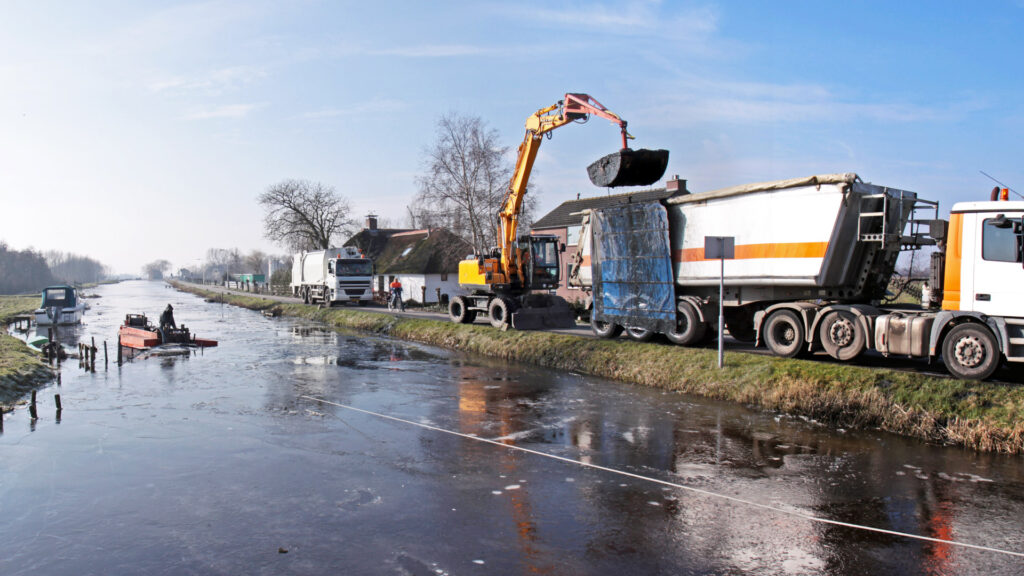
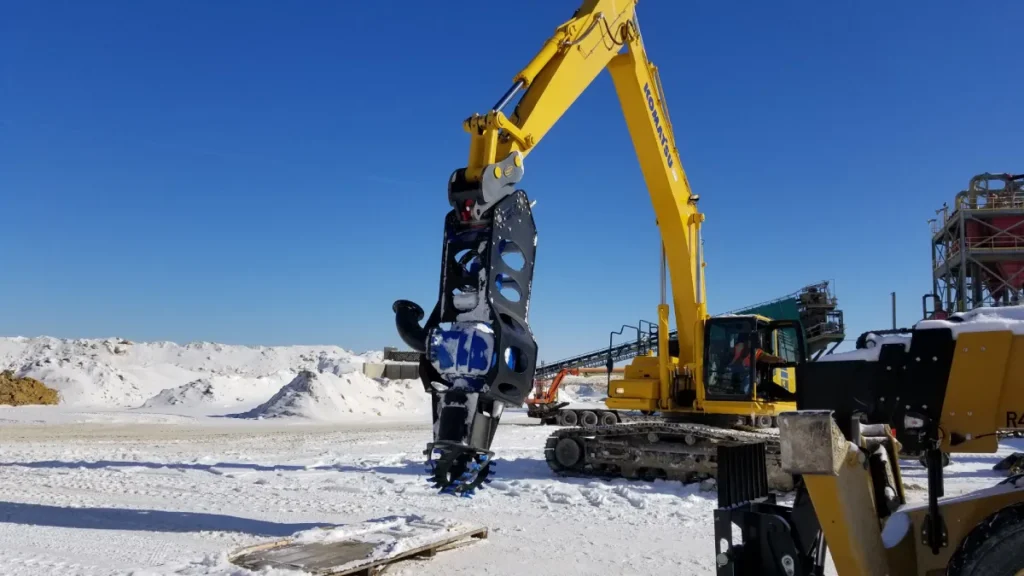
Winter presents the most challenging conditions for seasonal dredging. Ice formation, frozen ground, and limited access often restrict standard operations. Pumps and seals face cold-related material stiffening, increasing start-up stress.
That said, winter dredging can be necessary in emergencies. Flood mitigation along rivers such as the Lehigh during mid-winter thaws is a common example. In these cases, Pennsylvania dredging crews must work quickly while managing safety risks and mechanical limitations.
- Spring (March to May)
Spring offers improved access due to higher water levels, but it also introduces environmental sensitivity. Fish spawning, increased turbidity, and stream protection windows require careful coordination.
Permitting often dictates what can and cannot occur during the spring months. Dredging schedule planning must account for Pennsylvania DEP restrictions and federal guidelines. At Lake Wallenpaupack, for example, post-snowmelt dredging is often scheduled carefully to balance water levels with ecological protection.
Spring conditions can be effective when properly managed, making seasonal dredging viable with the right expertise.
- Summer (June to August)
Summer is the most popular period for Pennsylvania dredging due to stable weather and predictable access. Water levels are generally manageable, and equipment performs consistently.
The challenge lies in recreational use. Boating, tourism, and marina activity peak during summer. Dredge Pennsylvania regularly schedules work on waterways such as Presque Isle Bay and local marinas during off-peak hours to minimize disruption while maintaining productivity.
From a sealing and pumping standpoint, steady summer conditions reduce thermal cycling and improve system reliability.
- Fall (September to November)
Fall is often the most efficient window for seasonal dredging. Recreational traffic decreases, temperatures stabilize, and waterways are more accessible before freeze-up.
Many industrial and commercial clients prefer fall for preventive maintenance dredging. Removing sediment before winter reduces flood risk and protects infrastructure. Pennsylvania dredging projects completed in the fall often experience fewer weather-related delays and smoother execution.
Pennsylvania Regulatory and Environmental Constraints
Pennsylvania DEP and Federal Permitting Considerations
Seasonal restrictions tied to wildlife protection are common across the state. Fish migration periods, bird nesting seasons, and habitat preservation rules influence allowable dredging windows.
Advanced dredging schedule planning shortens approval timelines by aligning applications with permissible periods. Dredge Pennsylvania has extensive experience navigating both Pennsylvania DEP and Army Corps processes, ensuring compliance without unnecessary delays.
Local Environmental Sensitivities
Freshwater mussels, native fish species, and sensitive shoreline zones require careful consideration. Stormwater runoff in spring and fall also affects sediment movement.
Experienced Pennsylvania dredging professionals understand how to schedule work to avoid these sensitive periods while still meeting project goals.
How to Plan Your Dredging Schedule for Optimal Timing
- Start with a Site Evaluation
Every project begins with assessing depth, sediment type, and access. Historical weather data and seasonal patterns provide valuable insight.
From a pump-sealing perspective, understanding sediment abrasiveness and moisture content helps determine ideal operating windows. This evaluation serves as the foundation for effective dredging schedule planning.
- Work Backwards from Desired Completion Date
If a lake at Raystown Lake needs to be ready for summer boating, planning must begin months in advance. Permits, mobilization, and seasonal windows all factor in.
For complex projects, early planning for seasonal dredging activities can begin 6 to 12 months in advance.
- Build in Buffer Time for Weather and Delays
Pennsylvania weather remains unpredictable. Rain events, early freezes, and heat waves can disrupt schedules.
Contingency planning ensures Pennsylvania dredging projects stay on track even when conditions shift.
Why Choose Dredge Pennsylvania for Seasonal Dredging Projects
Choosing the right contractor is one of the most important decisions in any Pennsylvania dredging project, especially when timing plays such a critical role. Seasonal conditions affect everything from access and permitting to equipment performance and long-term maintenance outcomes. Dredge Pennsylvania stands apart because seasonal planning is built into every phase of their work, not treated as an afterthought.
One of the key advantages is deep local experience across the Commonwealth. Pennsylvania waterways vary widely, from shallow private lakes and municipal reservoirs to industrial channels and working rivers. Each site responds differently to weather patterns, sediment movement, and water level changes. Dredge Pennsylvania brings hands-on knowledge from projects across eastern, central, and western Pennsylvania, allowing them to recommend the most effective seasonal dredging window for each location.
Regulatory expertise is another defining strength. Permitting timelines are often the biggest obstacle in dredging schedule planning, particularly when seasonal environmental restrictions are involved. The team at Dredge Pennsylvania understands how to align project timelines with Pennsylvania DEP requirements and federal review processes. This experience helps clients avoid unnecessary delays and costly rescheduling caused by missed seasonal windows.
From an operational standpoint, equipment readiness matters. Pumps, seals, and pipelines experience different levels of stress depending on temperature, sediment density, and flow conditions. By planning Pennsylvania dredging projects for optimal seasons, Dredge Pennsylvania reduces equipment wear and improves overall efficiency. This approach delivers better outcomes for clients while supporting long-term system reliability.
Most importantly, the company has earned a reputation as a trusted partner. Municipalities, commercial operators, and private property owners rely on Dredge Pennsylvania not only for execution but for guidance. Their ability to combine technical understanding with a practical seasonal dredging strategy makes them a dependable choice statewide.
Case Studies: Seasonal Success Stories
Real-world results best illustrate the value of thoughtful dredging schedule planning. Across Pennsylvania, seasonal timing has played a decisive role in the success of many dredging projects completed by Dredge Pennsylvania.
At a Lake Erie marina, spring dredging was carefully scheduled to finish before peak boating season. By working within approved environmental windows and taking advantage of stable early-season water levels, the project restored navigational depth without disrupting local tourism. This approach demonstrated how seasonal dredging can balance operational needs with community priorities.
On the Schuylkill River, fall maintenance dredging addressed sediment accumulation that threatened flow capacity and shoreline stability. Cooler temperatures and reduced recreational traffic allowed crews to work efficiently, while stable water conditions minimized turbidity. Completing this Pennsylvania dredging project before winter helped reduce flood risk during seasonal storms and freeze-thaw cycles.
An emergency winter dredging operation on the Susquehanna River highlighted the importance of readiness even during challenging months. Rapid sediment removal was required to support flood mitigation during an unexpected thaw. Although winter is not ideal for most seasonal dredging, Dredge Pennsylvania’s experience and equipment preparedness allowed the project to proceed safely and effectively.
Across these projects, the results were consistent. Improved waterway performance, on-time delivery, and strong client satisfaction all stemmed from informed dredging-schedule planning that respected seasonal realities rather than fighting them.
FAQs on Seasonal Dredging in Pennsylvania
- What is the best time to dredge a private lake in Pennsylvania?
For most private lakes, late summer or fall offers the best balance of access, stable conditions, and fewer environmental restrictions. These seasons often support more predictable Pennsylvania dredging timelines and smoother execution.
- Can dredging be done year-round in Pennsylvania?
Yes, but not all seasons are equally efficient. Seasonal dredging decisions depend on site conditions, regulatory allowances, and project urgency. Emergency dredging may occur in winter, while planned maintenance is often better suited to summer or fall.
- How far in advance should dredging be planned?
Effective dredging scheduling typically begins 6 to 12 months in advance, especially for projects requiring multiple permits. Early planning increases the likelihood of securing the most favorable seasonal window.
- Are there specific local restrictions I should be aware of?
Yes. Restrictions vary by waterway, county, and season. Fish spawning periods, bird nesting timelines, and stormwater regulations all affect Pennsylvania dredging schedules. Working with a local expert helps navigate these requirements.
- Does seasonal timing affect project cost?
Absolutely. Projects completed during optimal seasonal dredging windows often require fewer workarounds, experience less downtime, and reduce equipment strain, thereby lowering overall costs.
Turning Seasonal Conditions into Dredging Advantages
Seasonal timing is one of the most overlooked yet influential factors in dredging success. In a state with varied geography and a true four-season climate, understanding when to dredge is just as important as understanding how. Weather patterns, water levels, environmental protections, and equipment performance all shift throughout the year, shaping outcomes for every Pennsylvania dredging project.
Thoughtful seasonal dredging allows sediment removal to occur when conditions are most favorable, reducing risk and improving efficiency. When paired with a structured dredging schedule, projects are more likely to meet regulatory requirements, stay on schedule, and deliver lasting results.
Dredge Pennsylvania brings together local knowledge, regulatory expertise, and practical experience to help clients navigate these seasonal considerations with confidence. Their approach is rooted in planning, not guesswork, and focused on long-term performance rather than short-term fixes.
If you are responsible for maintaining a lake, river, marina, or industrial waterway, aligning your project with the right season can make the difference between ongoing issues and sustainable improvement. With the right partner and the right timing, Pennsylvania dredging becomes a strategic investment rather than a recurring challenge.
If you are considering Pennsylvania dredging for a lake, river, marina, or industrial waterway, now is the time to plan. Contact Dredge Pennsylvania to schedule a consultation, request a seasonal planning checklist, or discuss the ideal timing for your project.